












What Dual eSIM Phones Mean for Travelers
Oct. 18, 2025
eSIM Basics & Education
The travel tech world is changing rapidly — and 2026 is the year dual eSIM phones are expected to go mainstream. Apple, Samsung, and Google are leading the charge, rolling out devices that can hold two eSIMs at once — with no physical SIM slot at all.
But what does that mean for travelers? Let’s break down how dual eSIM technology is transforming our approach to staying connected abroad.
The Shift to Dual eSIM Devices
Just a few years ago, most travelers still carried a mix of one physical SIM + one eSIM.
In 2026, that’s changing — many new models like the iPhone 16, Pixel 10, and Galaxy S25 are dual eSIM–only devices.
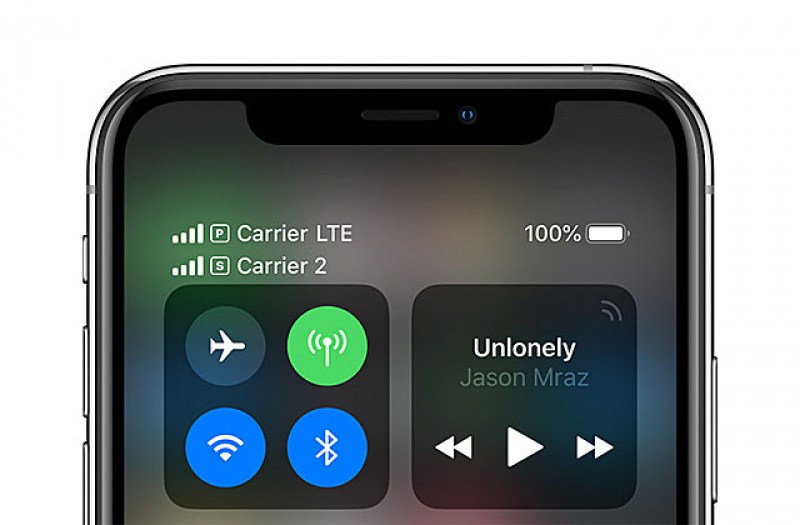
This means your phone can now store and use two eSIM profiles simultaneously — without needing a plastic SIM card.
Here’s why that’s a big deal:
- No SIM tray required: Phones are slimmer, more water-resistant, and easier to manufacture.
- Faster switching: Instantly toggle between personal and travel numbers.
- Environmentally friendly: Eliminates plastic SIM waste and packaging.
How Dual eSIMs Work While You Travel
With dual eSIM support, you can keep one eSIM active for your home carrier and another for travel data — like Roamvy.
Example:
- eSIM 1: Your Canadian number (for calls, OTPs, and texts).
- eSIM 2: Your Roamvy travel plan (for high-speed data in 200+ countries).
Before traveling, users often complete the eSIM setup for iPhone to ensure both profiles are ready to go.
You can:
- Choose which line uses mobile data.
- Set a preferred line for calls or texts.
- Turn one eSIM off at any time — no need to physically remove anything.
That flexibility is a game-changer for international travelers, especially those managing work and personal communication on the go.
Why Dual eSIMs Make Travel Easier
- Seamless switching: Keep your home number live while you use Roamvy for data.
- No downtime: Switch networks instantly — no need for local SIM cards.
- More security: No physical SIM to lose, clone, or damage.
- Perfect for multi-region trips: Combine your home eSIM with a Roamvy Global or Middle East plan.
- Simplified setup: Activate both eSIMs before your flight — one for your home network and one for your travel network.
If you are using an iPhone, ensure iPhone eSIM activation through device settings is complete before takeoff, and your travel data plan is ready.
Which Phones Support Dual eSIM in 2026
The list is growing fast. As of early 2026, dual eSIM support is standard in most flagship and mid-tier phones, including:
- Apple iPhone 14 and later (eSIM-only in many regions)
- Samsung Galaxy S23, S24, and S25 Series
- Google Pixel 8, 9, and 10 Series
- Huawei Mate 60 Pro
- Motorola Edge 50 and Razr 50 Series
- Xiaomi 14 Ultra and Mix Fold 4
By mid-2026, expect even budget smartphones to include dual eSIM functionality — making physical SIMs nearly obsolete.
How Roamvy Fits into the Dual eSIM Future
At Roamvy, we’ve designed every plan and app feature to be dual eSIM–ready.
Whether you’re using your home number or switching between countries, Roamvy makes travel connectivity effortless.
- Activate your travel eSIM before takeoff.
- Keep your home eSIM for OTPs and calls.
- Instantly switch data lines in the Roamvy App.
- Enjoy reliable 4G/5G across 200+ destinations.
And when you return home? Just turn off your travel eSIM — no uninstalls or replacements needed.
The Bottom Line
Dual eSIM phones represent the future of borderless travel — no SIM trays, no cards, no hassle.
You can now keep your main number and your Roamvy data active together, giving you seamless global connectivity wherever you go.
As more phones drop the physical SIM slot, travelers who switch to Roamvy will already be one step ahead.
Stay ready for 2026. Get your Roamvy eSIM today — instant setup, flexible plans, and full dual eSIM support.